
How to Mix Wallpaper Like the Oh. What. Fun. House (and the Iconic Home Alone House)
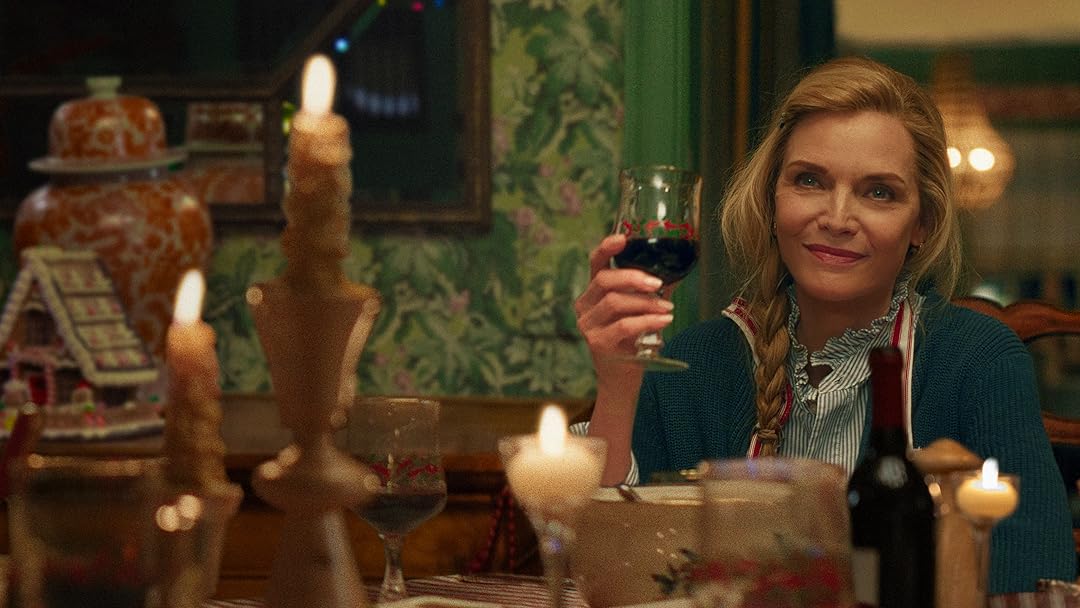
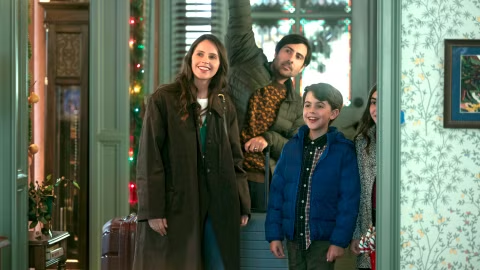
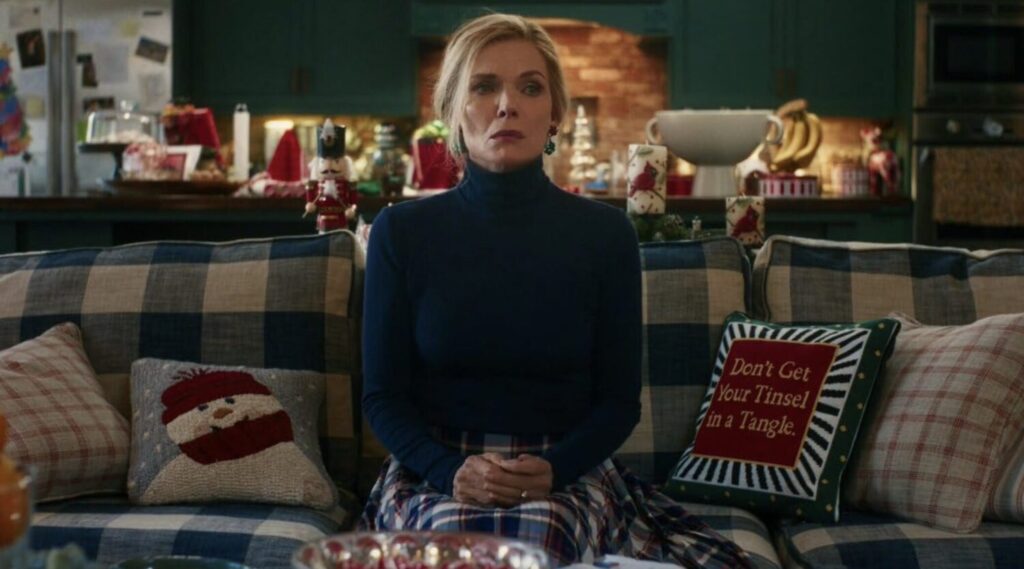
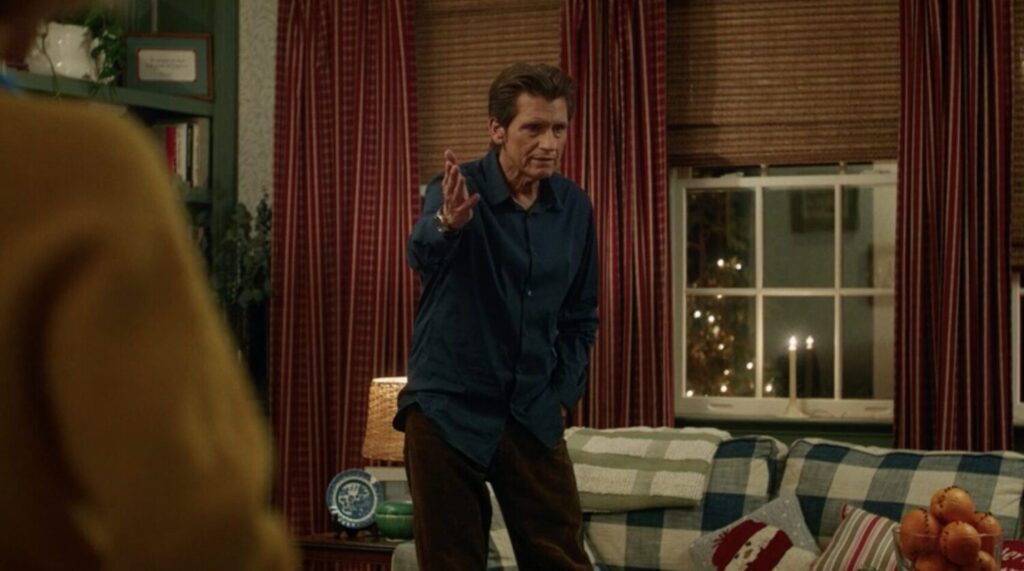
If you’ve watched Amazon Prime’s Oh. What. Fun. starring Michelle Pfeiffer, you’ve probably found yourself pausing the movie just to admire the house. Every room bursts with personality through layered wallpaper patterns, unexpected cabinet colors, and that stunning blue and white plaid couch that has everyone asking “where can I get one?” This home, much like the beloved Home Alone house, proves that maximalist, pattern-rich interiors create spaces that feel lived-in, cozy, and deeply personal.
The stark white walls that dominated social media feeds for the past decade served a purpose: they made products pop in sponsored posts and ads. But that aesthetic trend stripped homes of character, turning them into sterile showrooms rather than sanctuaries. The Oh. What. Fun. house represents a joyful rebellion against that trend, and the best part? Achieving this look is more accessible than you think.
What Makes the Oh. What. Fun. House So Special
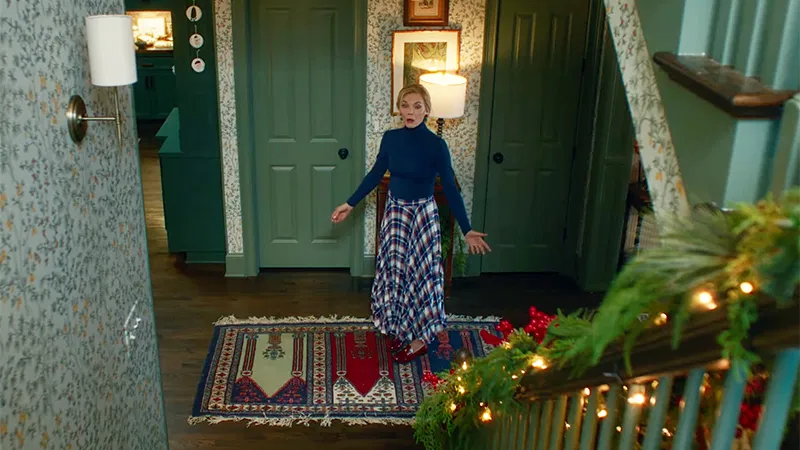
Walking through the Oh. What. Fun. house feels like flipping through a beautifully curated design magazine, except every room actually looks livable. Wallpaper covers nearly every surface, yet the space never feels overwhelming. As you move from room to room, patterns flow together seamlessly. The secret isn’t in playing it safe but in thoughtful mixing.
The house features bold floral prints next to geometric patterns, large-scale designs paired with delicate motifs, and colored trim that would make traditional designers nervous. Yet it all works. Art pieces hang confidently over patterned walls, proving that maximalism doesn’t mean chaos when you have a cohesive vision.
The Secret to Mixing Wallpaper Successfully
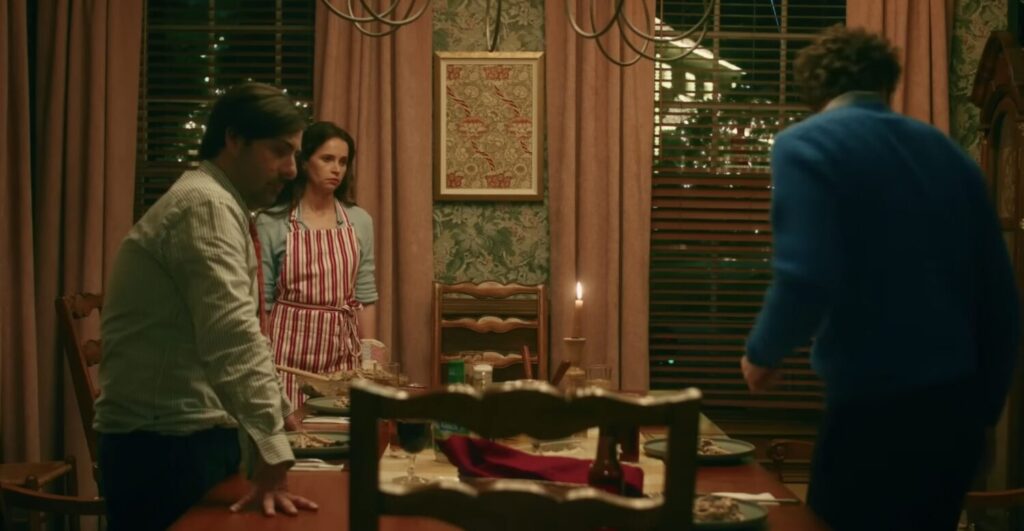
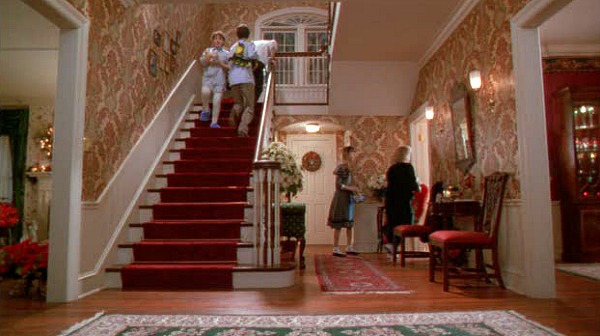
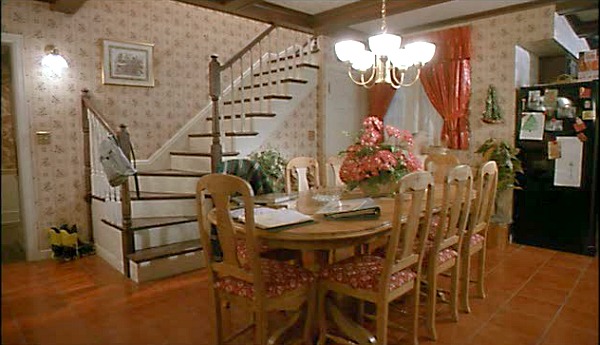
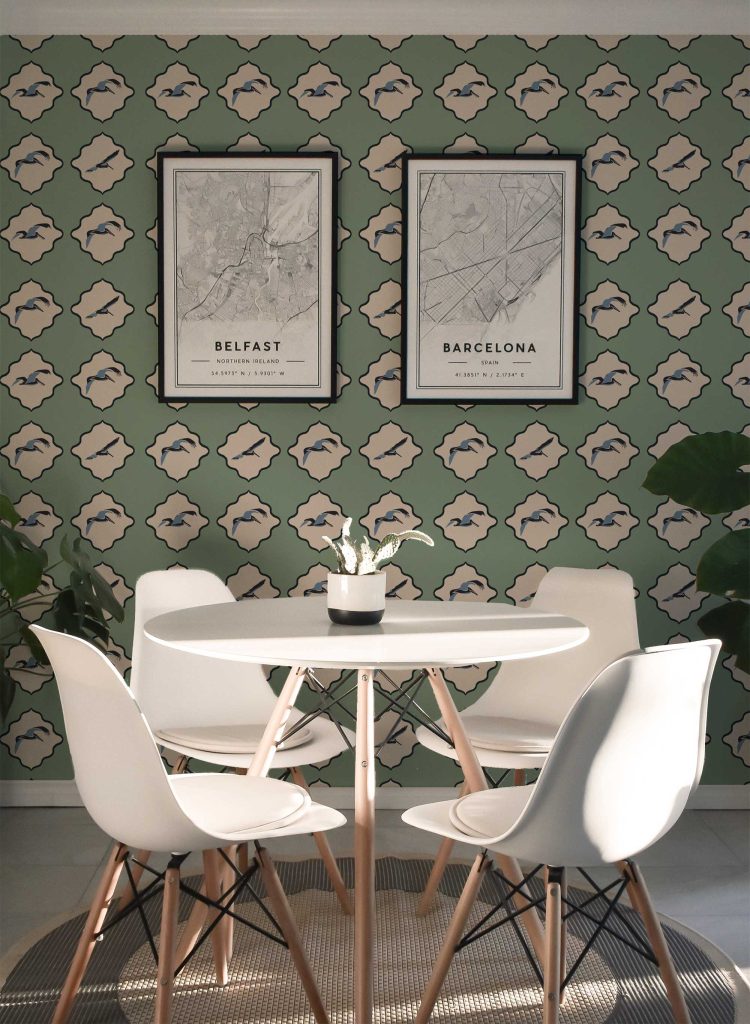
Both the Home Alone house and the Oh. What. Fun. house share a crucial design principle: consistency in color palette. While the patterns vary wildly, the colors remain harmonious. This is exactly how Modern Magic wallpaper is designed.
When all your wallpapers live within the same color family, mixing becomes intuitive rather than intimidating. You can pair a bold oversized print in the dining room with a subtle stripe in the hallway, and they’ll feel like they belong together because the underlying colors create visual continuity.
Three Keys to Pattern Mixing
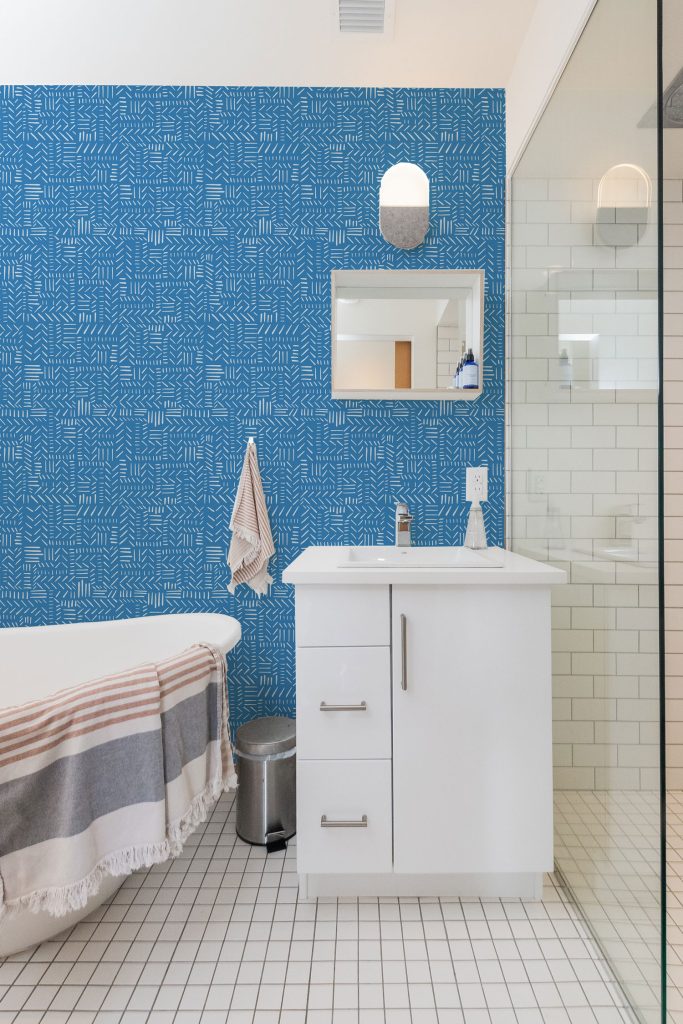
Vary Your Scale. The Oh. What. Fun. house excels at this. Large dramatic patterns in main spaces transition to smaller, more intricate designs in transitional areas. This variation creates visual interest without competition. Think of it like layering jewelry—you wouldn’t wear five statement necklaces at once, but a statement piece with delicate chains creates dimension.
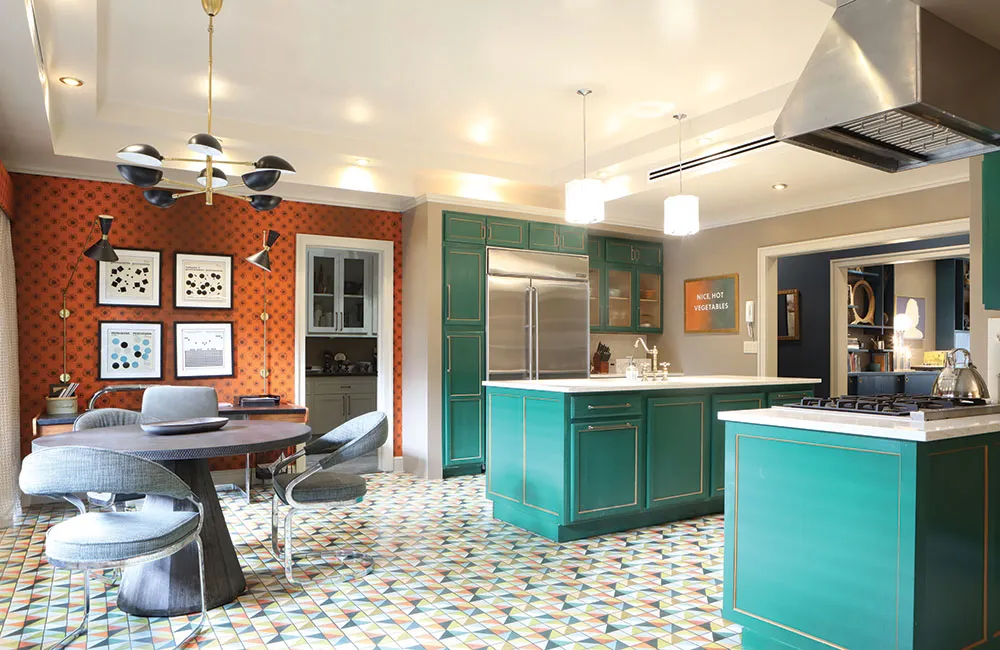
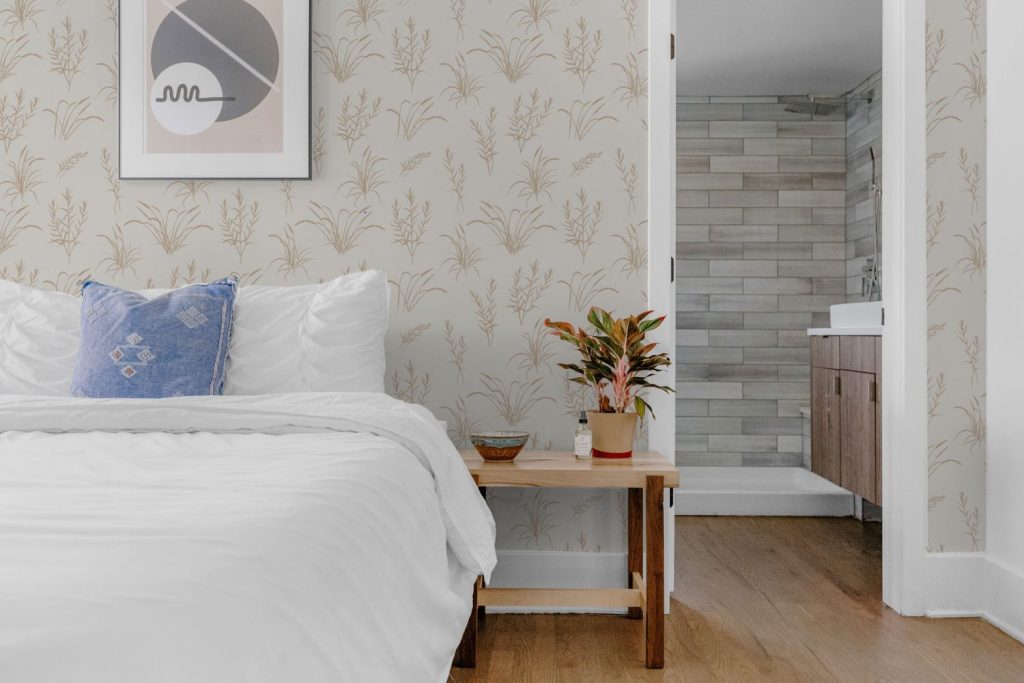
Embrace Nature-Inspired Patterns. Notice how both the Home Alone house and the Oh. What. Fun. house lean heavily into nature-inspired patterns—florals, botanicals, organic shapes—creating spaces that feel nurturing and alive. There’s something deeply human about bringing natural elements indoors. These patterns satisfy an innate need to stay connected to the organic world, even within our walls. Contrast this with Steve Martin’s apartment in Only Murders in the Building, which uses exclusively geometric patterns for a more structured aesthetic. While both approaches can be beautiful, Modern Magic specializes in nature-inspired wallpaper designs because they create homes that feel like refuges rather than showrooms. When you layer botanical prints, delicate florals, and organic motifs together, you’re not just decorating—you’re creating an environment that feeds something essential in us.
Consider Texture. Different paper types add another layer of sophistication. Modern Magic offers various finishes and textures, allowing you to add subtle depth even when patterns are similar. A matte grasscloth-textured paper next to a smooth finish creates tactile interest that elevates the overall design.
Making It Work in Your Home
The Home Alone house and the Oh. What. Fun. house both exist in humid climates where smooth wall textures are standard. This actually makes full-home wallpapering more cost-effective since you’re not dealing with heavy texture that requires extensive prep work. If your walls have significant texture, you’ll want to factor in either smoothing costs or choosing wallpapers that can handle texture better.
Here’s the most important truth about achieving this look: it’s a process. You won’t transform your entire home overnight, and that’s actually a good thing. Each wallpapered room is an investment that you build upon over time. Start with one space, let it inform your next choice, and gradually create that layered, collected feeling that makes the Oh. What. Fun. house so enchanting.
Why This Trend Is Here to Stay
The all-white home served influencer marketing, not real life. It created beautiful backdrops for selling products but terrible backdrops for actually living. The resurgence of pattern, color, and personality in homes like the one in Oh. What. Fun. reflects a cultural shift toward authenticity and comfort.
When Michelle Pfeiffer’s character moves through those wallpapered rooms with art layered over pattern, you believe someone actually lives there. You can imagine family dinners, holiday gatherings, quiet morning coffee, and all the moments that make a house a home. That’s the magic of thoughtful maximalism—it invites life in rather than keeping it at arm’s length.
Start Your Wallpaper Journey
Whether you’re inspired by the Home Alone house, the Oh. What. Fun. house, or simply tired of your blank white walls, mixing wallpaper is more achievable than social media might have led you to believe. With a cohesive color palette, varied scales and patterns, and the patience to build your look over time, you can create a home that feels collected, intentional, and unmistakably yours.
Modern Magic’s collection makes this vision accessible, offering patterns designed to work together effortlessly. Browse the full collection at Modern Magic Wallpaper and start creating your own pattern-rich sanctuary, one room at a time.
After all, if the Oh. What. Fun. house teaches us anything, it’s that homes should be celebrations of personality, not showrooms for an audience. Your walls are waiting to tell your story.
